Trades Trades Life

Tool theft insurance guide: policy insights and tips

Occupational hazards are a given and for tradespeople it can include (unfortunately) tool theft and damage. No matter your trade,…

Katie Collins-Jones by Katie Collins-Jones
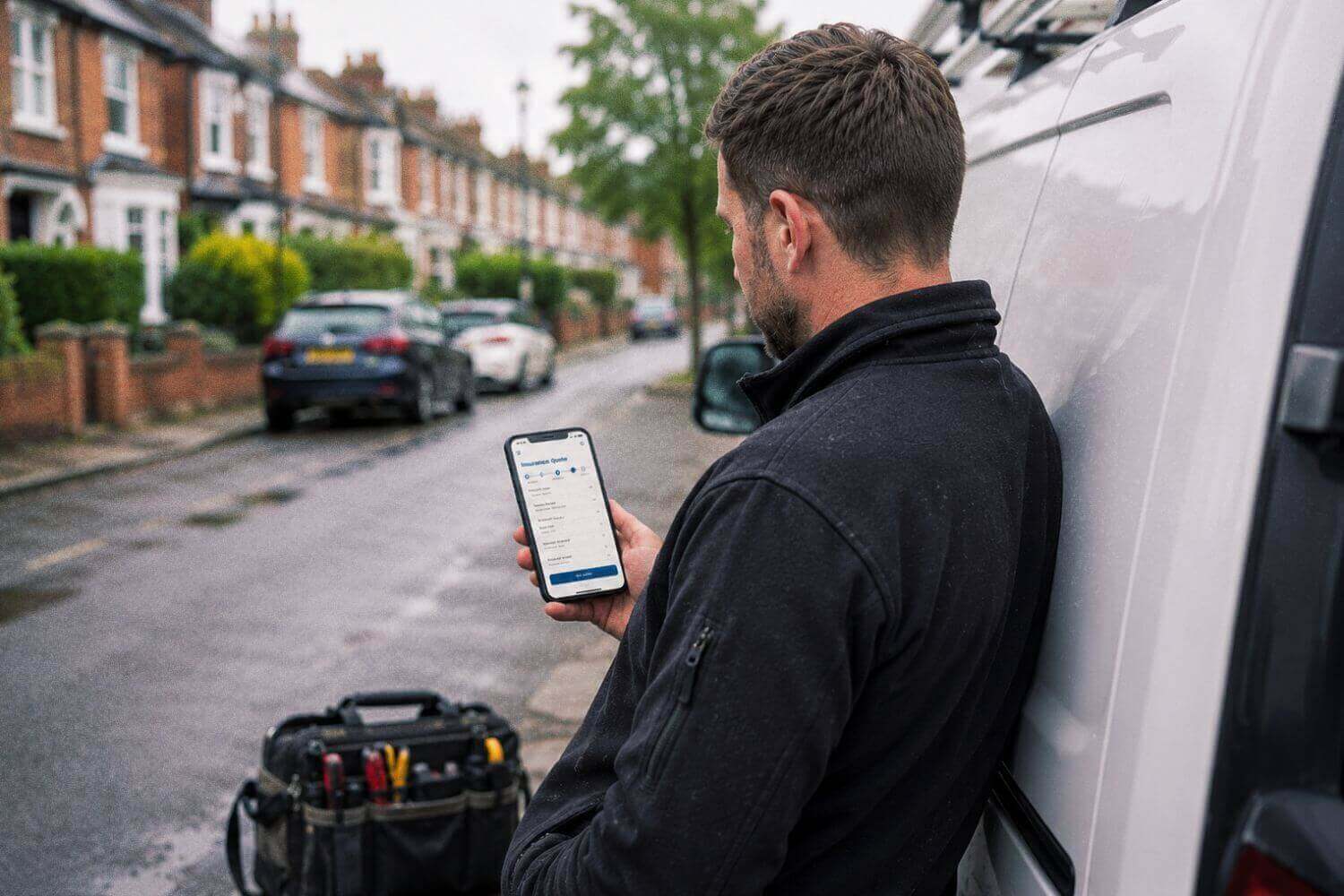
Image is Tradesman with tools. Read about tool theft insurance, including what it covers and policy considerations

Occupational hazards are a given and for tradespeople it can include (unfortunately) tool theft and damage. No matter your trade, tools insurance cover can provide a safety net in the event your tools are stolen – after all, it’s not just about the tools, it’s about your livelihood.

We’ll be diving into what tools insurance is, what it can cover and key notes for choosing a policy.

What is tool insurance?

In simple terms, this covers the cost to repair or replace tools that are stolen or damaged by events like fire. Coverage can apply to tools kept at home or in vehicles depending on the terms of the policy.

The aim is to provide financial protection and minimise the disruption of having tools stolen or damaged for small businesses and contractors alike. No matter how diligent you are, there’s always a risk.

As with any insurance, it’s not a one-size-fits all solution so research what’s available to find the best option for your line of work.

It’s often included with standard tradesman insurance or available as an add-on alongside other cover like public liability insurance and professional indemnity.

What tools insurance covers

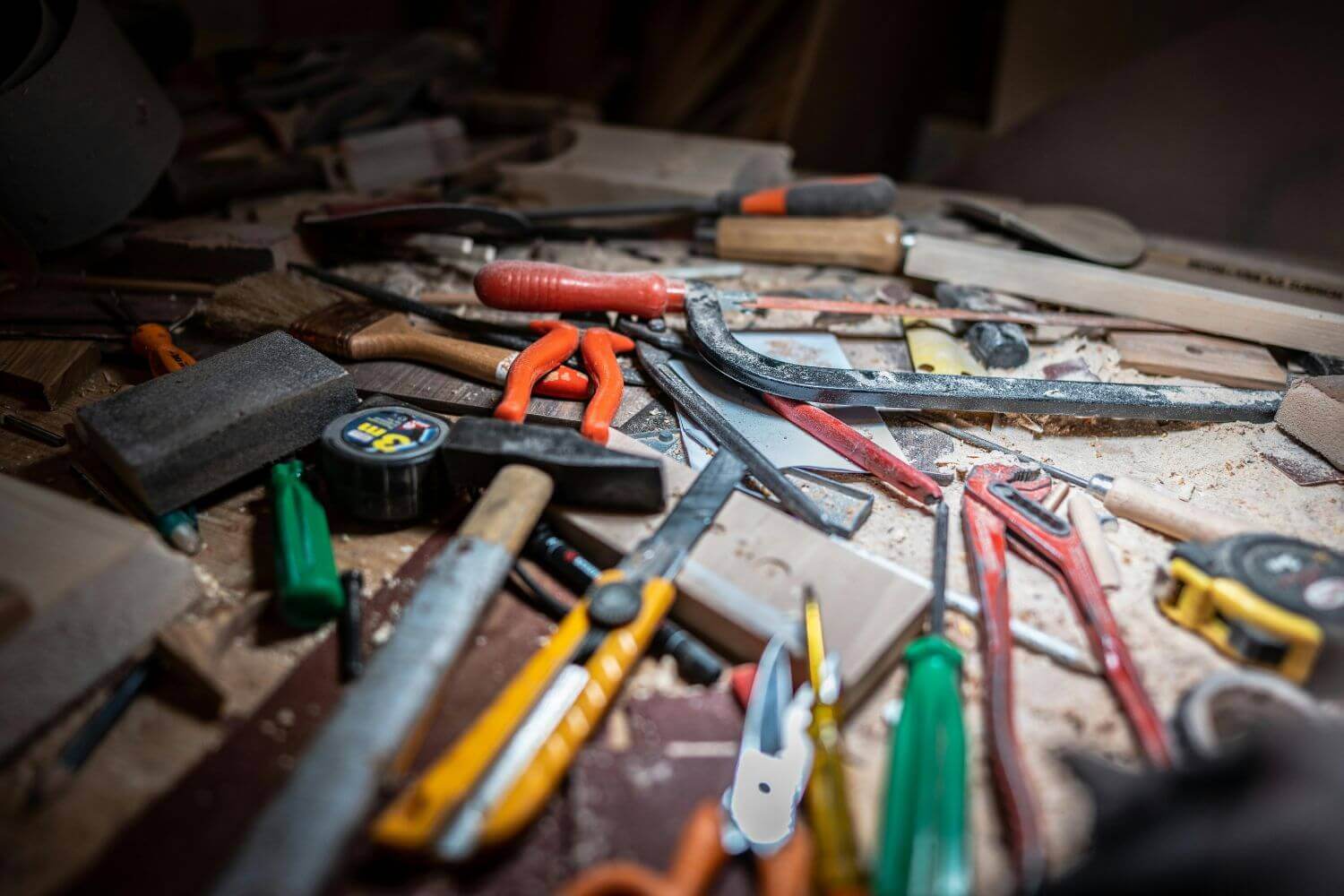
This’ll always depend on the insurer your policy is with but most tools cover includes ‘tools of trade’ i.e. smaller tools and equipment needed to do your job – hand tools and handheld power tools like:

  • Drills
  • Nail guns
  • Sanders
  • Hammers
  • Spanners
  • Saws
  • Pliers
  • Blow torches
  • Screwdrivers

Some policies might include business equipment like laptops, phones and cameras but might be limited to only 1 or 2 items. Always check with your insurer what’s covered – you might need business equipment cover as well.

Overnight cover

Some insurance will also protect your gear in the event it’s stolen from your van or vehicle overnight. Again, always check your policy documents if this is a must-have for you.

As an add-on with other cover

If it’s included as an add-on, what it covers might differ to standalone tools insurance but always check your policy.

What tools insurance doesn’t cover

Now we know tools insurance specifically protects trade tools owned in the event of loss, theft or damage, we’ll quickly go over what it doesn’t usually cover:

Tools in transit – work tools that are lost, stolen or damaged while being loaded, unloaded or transported in a vehicle

Owned plant – plant owned by you like scaffolding, diggers, excavators and temporary buildings

Hired in plant – plant hired by you to complete a project like diggers and rollers

Business tools – devices and job-specific tools & electrical equipment like computers, mobile phones, cameras and graphics tablets

Equipment breakdown – mechanical or electrical breakdown of kit like printers, constructional plant machinery and heating, security & telephone systems – excluding wear & tear, damage or theft

If you did need coverage for any of the above, you can get additional insurances like business equipment insurance, tools in transit insurance and owned & hired-in plant cover. You will often find these available as add-ons with other business or trades insurance.

Benefits of tools insurance

Hinted at earlier in this guide, the perks of tools insurance cover are 3-fold:

  • Financial protection – Small businesses or contractors could be hit hard by a £1000+ bill for new tools or repairs. Insurance covers the cost of replacing or repairing damaged or stolen tools.
  • Increased peace of mind – In the event of damage or theft, cover is an extra safety blanket – one less thing to keep you awake at night.
  • Quicker recovery – Not just about footing the bill for lost, stolen or damaged tools, getting help covering the costs of repairs or replacements can minimise delays in getting back to work.

How does tool insurance work

Fundamentally it works like any other insurance policy – you pay a premium, if there’s an incident you make a claim, and upon approval you pay an excess and get a payout. You might find it offered as standalone cover but you’ll also find it as an add-on option with some business insurance.

Specifics can depend on the insurer but generally tool insurance will pay a lump sum to either repair all or part of damaged property or to replace them if they’re unrepairable, lost or stolen.

The amount that’ll be paid out will depend on the total level of cover, the value of tools and equipment claimed for and if payments are on a new-for-old or current market value basis.

*It’s essential to understand the claims process for your insurer and what is required to make a claim.

How much does tool insurance cost?

The cost of tool insurance varies depending on the policy and the level of cover chosen. But factors that may impact your premium include:

  • Total value of the tools and equipment you need to insure
  • Type of cover you need e.g. business tools, plant or personal tools insurance
  • Job type and risks associated with your business
  • Payment basis e.g. are you covered for ‘new-for-old’ or the current ‘market value’
  • Extra cover you need e.g. professional indemnity, employer’s liability, public liability insurance, European cover, overnight cover, tools in transit cover etc.
  • Payment option e.g. some insurers offer discounts for a one-time annual payment vs monthly

Tool insurance can be an affordable way to protect your business against tool theft and damage but always review policy details and understand payment terms before purchasing. Purchasing business insurance that isn’t suitable may lead to additional charges for policy amends or cancellations.

Insurance policy considerations

It’s not just about the money (the premium cost and cover limit) – it’s all in the details! For example, there’ll normally be conditions to meet or exclusions for circumstances or property types not covered.

Security conditions

Taking reasonable care to secure your tools and equipment is a very common insurance condition. Rule of thumb? Don’t give thieves easy access – you could invalidate your policy. A few tips:

  • Lock all windows and doors (home and vehicle)
  • Try not to leave them in a vehicle overnight
  • Don’t leave them in an open, unattended vehicle
  • Use secure equipment storage (van vaults, upgraded locks etc.)
  • Make sure vehicles used to store equipment are roadworthy/maintained
  • If you have to, used a locked garage

It’s essential to review insurance policy wording and understand security requirements. Take extra steps to protect your gear – we’ve got 10 ways to keep your tools safe to get you started.

Excluded circumstances

Most policies will also have a list of exclusions outlining circumstances that won’t be included in the coverage.

You’ll normally find negligence at the centre of most exclusions that’ll invalidate your tool insurance policy. Some examples could be:

  • Not taking reasonable care to protect tools (e.g. locking windows & doors, securing vehicles)
  • Failing to report tool theft or damage promptly
  • There’s no evidence of forced entry
  • Equipment was damaged by general wear and tear
  • Tools left in (and stolen from) an uninsured location e.g. work site

It’s also good to check if accidental damage is covered in your policy, or claims arising from the actions of employees.

Excluded property

In the context of tools insurance for tradies, you’ll normally find certain business equipment won’t be covered like money, credit cards, business documents, sat nav equipment, and electronic devices (phones, cameras, computers etc.) unless otherwise stated in your policy documents.

‘New for old’ or ‘market value’

Briefly mentioned above, the basis of replacement will impact how much tool insurance costs and the pay out you’ll get for a successful claim.

New-for-old – Payout is based on the current cost of purchasing a new replacement item.

Market value – Payout is based on the current worth of the item considering its age and condition.

Getting the right tool insurance

Getting the right tool insurance requires careful consideration of your business needs and properly reading through policy documents to understand what you’ll be covered for. It’s wise to check:

  • Total value limit – Add up the total sum of all vital equipment and tools and check the policy limit covers this.
  • Single article limit – Check the most valuable tool you want to protect and that any single article limit is sufficient.
  • Tools overnight – Make sure the policy covers equipment left in homes or vehicles overnight.
  • Transit cover – If you need it, be sure your insurance includes tools in transit cover.
  • Types of tools covered – Think about the type of tools you use and choose the right insurance type.
  • Exclusions – Consider what items or circumstances you need coverage for and check they’re not excluded.

Consider a combined policy

A combined insurance policy means you don’t have to juggle several policies across different providers.

Our own Trades Insurance combines Public Liability, Good and Tools cover and Employers’ Liability as standard. Our Goods and Tools cover includes £2,500 of cover at no extra cost with claims paid out on tools stolen from your van overnight!

Other perks include:

  • Optional add-ons like Contract Works, Hired in Plant, Owned Plant, and Professional Indemnity
  • Nil excess on most professions covered
  • Real support from in-house dedicated experts
  • No hidden fees

Have a question? We’ve answered some FAQs below or you can contact us and speak to our in-house experts. If you’re ready you can go straight to getting a quote today through our online quote and buy.


Tool insurance FAQs

How do I know if my existing policy covers tools?

Read through your policy documents and see if your tools are included – it might be referred to a ‘tools & goods’ or ‘equipment’ cover. For certainty is recommended to check directly with your insurer.

Is tools cover included with business insurance?

Some will business cover include tools but check with your provider. If it’s included, make sure it covers what you need (tool types and value limits). If it isn’t included, it might be available as an add-on.

Can I insure tools in my company van?

Short answer is yes, but it depends on the policy and insurer. Many will include storing gear in vans overnight and even tools in transit insurance. Check your policy before leaving tools in vehicles.

Do you need receipts for tool insurance?

It’s best practice to keep receipts or other proofs of purchase. This will help calculate the total sum to insure, the single item limit you need and prove ownership and verify amounts in the event of a claim.

Does public liability insurance cover tools?

No. Public liability insurance covers damage to third-party property or injury to third-parties, not tools that are stolen, lost or damaged.

Does tool insurance provide instant cover?

This’ll be dependent on who the policy is with but typically, yes, you should be covered as soon as your policy is confirmed or approved.

Related topics

Trades Trades Life

You might also like...

Back to resources
Close up photo of female worker at a desk with laptop and calculator, representing article on what insurance contractors need
Contractor Guides Contractors 03 Nov 2026

What insurance contractors need?

We know it can be a minefield for contractors when it comes to purchasing the right contractor insurance to protect…

Image of a handheld drill on a work bench, representing guide on how to insure work tools for tradespeople
Trades Trades Life 09 Sep 2026

How to insure your tools: a tradesperson’s guide

Most tradespeople spend a lot of time thinking about the next job, the next customer, or the next challenge on…

A flat lay of a desk with stationery and notebook with writing 'insurance checklist', representing guide on questions to ask when buying contractor insurance
Contractor Guides Contractors 24 Aug 2026

7 things to ask before buying contractor insurance

Buying contractor insurance isn’t exactly the most exciting item on your to-do list.  When you’re focused on winning contracts, meeting…

Image of tradesman leaning against white van looking at insurance quotes on his phone, representing article discussing cheap tradesmen insurance
Trades Trades Life 28 Jul 2026

Cheap trades insurance: how low is too low?

When you’re running your own trades business, it’s only natural to try and keep costs to a minimum. But for…

Photo of protest crowd in london, representing article on loan charge review scandal
Contractors News 15 Jul 2026

Why the Loan Charge scandal isn’t going away

In the late 1990s, loan-based remuneration schemes began to emerge before becoming widespread among contractors and freelancers during the 2000s.…

Image of tradesman's arm being bandaged, representing article on employers' liability insurance for tradespeople
Trades Trades Life 07 Jul 2026

Do tradesmen need employers’ liability insurance?

If you’re a tradesman running your own business, you might assume employers’ liability insurance only applies to corporate companies. But…

Contractors News 19 Jun 2026

The tax, pension and savings changes UK contractors need to keep on top of

The 2026/27 tax year might not be bringing one dramatic overhaul, but it marks the beginning of a multi-year shift…

Photo of dug out earth with construction worker on mini excavator, representing article on plant and machinery insurance
Trades Trades Life 01 Jun 2026

What is plant and machinery insurance?

From diggers and dumpers to cement mixers and compressors, plant and machinery are the backbone of many trades. Whether you’re…

Close-up of dates on a green calendar, representing article discussing claims made vs claims occurring in business insurance
Contractor Guides Contractors 26 May 2026

Simplifying insurance: what is claims made vs claims occurring

When you’re choosing insurance, you’ll often come across two terms: claims made and claims occurring. They both refer to the…

Tradesmen tools laid out on table, representing article on tool theft stories and keeping tools safe
Trades Trades Life 20 May 2026

Tool theft stories: tradespeople going beyond locks to keep tools safe

As tool theft continues to dominate headlines and social feeds, many tradespeople are no longer relying on standard security –…

Goodie bag from Powered Now Advice on Tap event, representing article on tradespeoples' concerns about tool insurance claims
Trades Trades Life 15 May 2026

Powered Now ‘Advice on Tap’: trade talk and tool theft troubles

Powered Now’s landmark event brings together tradespeople of all backgrounds. But conversations highlight the ongoing issue of tool theft, the…

Photo of builders discussing construction plans, representing article on what professional indemnity means for tradespeople
Trades Trades Life 28 Apr 2026

What is professional indemnity for tradespeople?

Many tradesmen assume professional indemnity is only for people with a desk job. But in reality, if your work involves…

Image of two builders carrying construction materials, representing article on do subcontrctors need their own insurance
Trades Trades Life 15 Apr 2026

Do subcontractors need their own insurance?

Knowing whether subcontractors need their own insurance can be confusing. Whether working in construction, roofing, plumbing, electrical work or specialist…

Image of construction hard hats representing a guide to what insurance a tradesman needs
Trades Trades Life 31 Mar 2026

What insurance does a tradesman need?

Insurance sounds like a good idea, but how do you know what insurance you need as a tradesman? No two…

Photo of a presentation screen at an event held by Kingsbridge on the JSL legislation and what it means for recruitment agencies
Partner News Partners 30 Mar 2026

What JSL will mean for you: Five lessons from our expert panel

Earlier this month Kingsbridge brought together a panel of industry experts to discuss the implications of the government’s new JSL…

Builder working on a house extension roof, representing a guide to contract works insurance for tradespeople including what it covers
Trades Trades Life 17 Mar 2026

What is contract works insurance?

However big or small your construction project is, contract works insurance could be a lifesaver if something happens. When you’re…

Image of bricklaying representing article on who needs trades insurance and what it covers
Trades Trades Life 10 Mar 2026

Who needs trades insurance?

If you work in the trades, chances are you’ve already heard people chatting about tradesman insurance, but have been left…

Calendar with date circled, representing guide on what a retroactive date is in professional indemnity insurance
Contractor Guides Contractors 26 Feb 2026

Professional indemnity insurance: what’s a retroactive date

Whether you’ve just taken out a professional indemnity policy or you’re shopping for new business insurance, chances are you’ve come…

HMRC Making Tax Digital campaign asset, representing article disucssing the upcoming changes for sole traders April 2026
Contractor Guides Contractors 16 Feb 2026

A ‘Making Tax Digital’ wake-up call for sole traders

The way Britain pays tax is entering its biggest modernisation in a generation, with Making Tax Digital (MTD) for Income…

Photo of HMRC London offices representing article discussing the Employment Rights Act 2025 being law, what changes it brings and what businesses need to do now
Partner News Partners 22 Jan 2026

Employment Rights Act 2025 ‘brings world of work into 21st century’

Big changes to the world of work have been on the horizon for a while and the Royal Assent of…

HMRC Self Assessment tax return letter for 2025 tax year sent to UK taxpayer with UTR and NINO
Contractor Guides Contractors 16 Jan 2026

Online Self Assessment tax return deadline: what to know for 2026 (and beyond)

If you’re required to file a Self Assessment tax return for the 2024/25 tax year, the deadline to submit it…

Contractor Guides Contractors 01 Jan 2026

What is the difference between a sole trader and a limited company?

One of the big questions for any contractor when they first set up as self-employed is whether you should operate as a…

Image of sparks caused by power tools, representing article on what makes a trade high risk for insurance
Trades Trades Life 18 Dec 2025

Trades cover: who’s considered high risk for insurance

If you’re in the trades, you already know the job isn’t without its risks. But did you know those risks…