Trades Trades Life

How to keep tools safe: 10 top tips for tradespeople

Tool theft is on the rise and for tradespeople that can mean more than just a frustrating setback. Your tools…

Katie Collins-Jones by Katie Collins-Jones
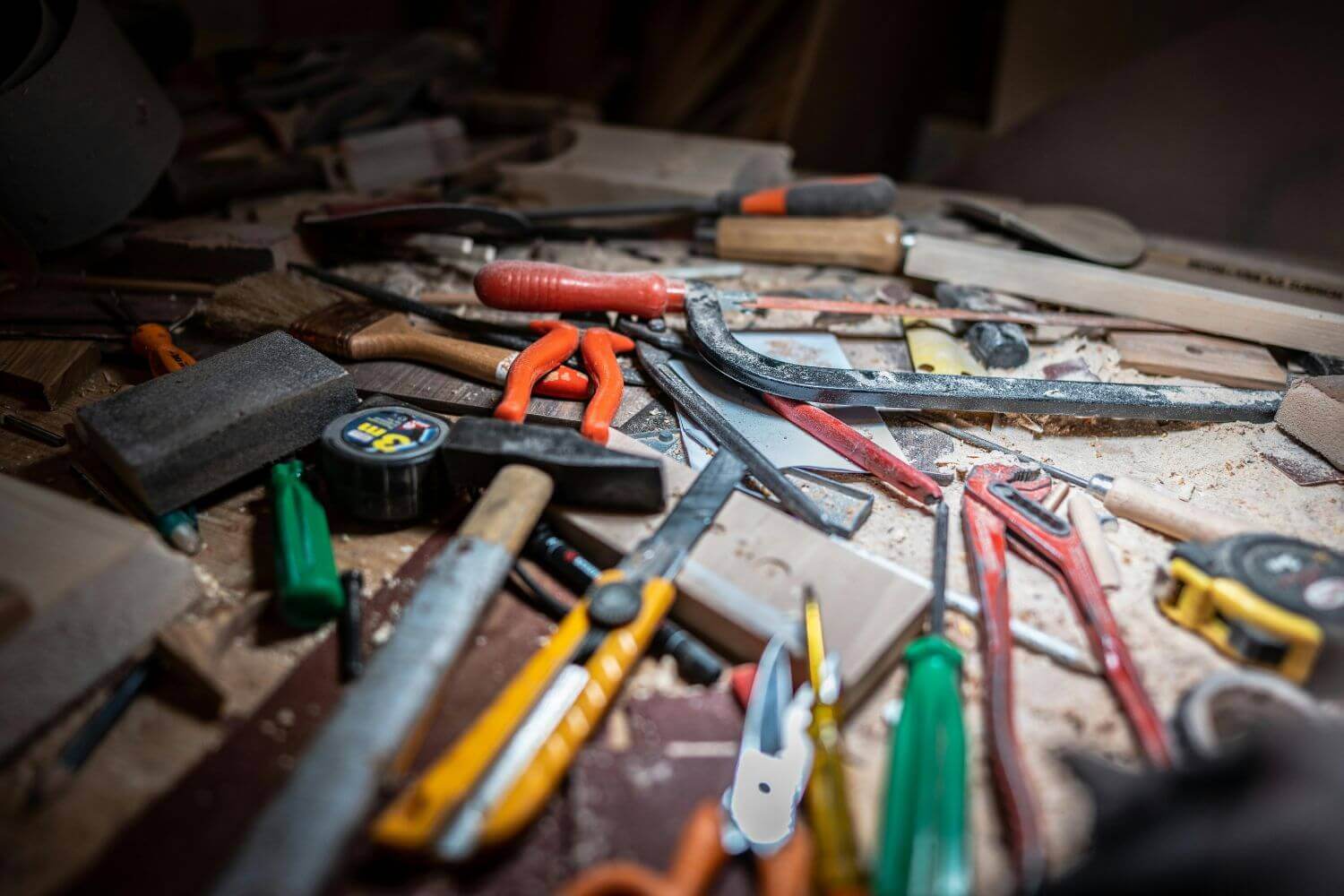
Top tips for tradespeople on how to keep tools safe. Image: power tools on workbench

Tool theft is on the rise and for tradespeople that can mean more than just a frustrating setback. Your tools are essential to your livelihood and replacing them could be costly or near-impossible – knowing how to keep your tools safe matters more than ever.

Whether you’re leaving gear in your van, storing it at home, or working on-site, a few simple steps could help protect your equipment and prevent tool theft before it happens.

The issue of tool theft – keeping your tools safe

How you keep tools protected ultimately depends on the nature of your work and where you live but we’ve got 10 top tips to get you started.

1. Remember the basics for preventing theft

If you want to keep your tools away from thieves, basic security measures are a good starting point.

  • Make sure they’re out of sight and not on display for would-be thieves i.e. don’t leave them on your driver’s seat or in your van unattended.
  • Don’t leave them somewhere easy to access for thieves. Make sure you lock all doors, windows and lockable tools boxes (both in your van and at home).

2. Keep van security in mind

Thefts from vans make up a large portion of reported tool thefts so, from security measures to where you park your van, you should always keep your van safe:

Avoid leaving tools in your van overnight

Vehicles can often be easier for thieves to break into so removing tools from your van overnight could significantly reduce the risk of tool theft.

Be careful where you park your van

Where you park could impact the chances of tools being stolen. Try to park vehicles close to home/work, in sight of security cameras and near a light source (especially when parked overnight/when it’s dark).

Install extra van security measures

Vans can face various threats like key fob hacking or lock drilling but extra prevention measures could reduce the risk. Suggestions might differ depending on your vehicle and how you use it, but generally include:

  • Van door locks: Different types will offer various locking features, but options include hook- and slam-locks or upgraded deadlocks – you can hire a professional locksmith to help install them.
  • Secure storage: Lockable toolboxes or van vaults are a secure built-in storage solution, typically featuring a reinforced structure and embedded locking system.
  • Other protection measures: The presence of other measures like a steering lock and van stickers that indicate CCTV or “No tools left overnight” can deter thieves when parked up.

3. Assess your home security

Vehicles might be an easy target for tool theft, but your home can also be broken into. A few tips on how to keep tools safe include:

  • Doors & windows: Check all doors and windows are secure and locked properly – don’t make it easier for thieves.
  • Put tools away: Thieves can use anything left lying around to break in e.g. ladders, hammers and keys. Even your wheelie bin could make it easier to access windows or climb fences.
  • Secure garages or outbuildings: Make sure garage or outbuilding doors are robust. Solutions like anchors to fix larger power tools to floors/walls or devices that fasten equipment together make tools harder to be stolen or used.

4. Install alarms and/or CCTV

Once you’ve worked out where you’re mostly likely to store your tools (or park your van), it’s worth installing alarms and/or CCTV. That applies to both your home and van – you can even get specific van alarms.

If a theft occurs, the video evidence can help police identify suspects and just the presence of them can deter potential thieves – and don’t underestimate the usefulness of a video doorbell!

5. Use tracking devices

More valuable tools are worth taking it up a notch! In the unfortunate event of theft, Bluetooth or GPS trackers can connect to smartphone apps and locate them, increasing the chances of recovery – the cost of tracking devices probably outweighs the cost to replace stolen tools.

6. Consider a tradesman insurance policy

You’ve likely got home, van or general business insurance, but does it cover your tools? It’s important to double check if it does, and that your policy covers the full value of your equipment.

There’s also specific tradesman insurance policies that might be better suited for your line of work.

You might wonder if the cost of insurance is worth it, but in reality your insurance premium might be negligible in the long run compared to the cost of replacing thousands of pounds worth of tools.

7. Look after your vehicles and storage

Make sure you’re aware of and follow best practices for maintaining the structural integrity of your van or storage solutions. It sounds obvious but a well-maintained vehicle or storage unit is likely to be more robust than one that isn’t looked after.

8. Make your mark

Marking all your tools can make them easily identifiable and help police return them to you if recovered after theft. Probably one of the easiest tips, all you need is a UV pen to mark them up with identifying information. Customisations like engravings or a custom paint job might also make them less attractive to thieves – it’s harder to sell goods that’ve been personalised!

9. Keep a log of your tools

If you don’t know what you’ve got, it makes it harder to know what’s stolen. Keeping a list of all the tools you own matters, including details like:

  • Brands & models
  • Serial numbers
  • Photos
  • Values
  • Proof of purchases (invoices or receipts)

A log can help establish what equipment’s missing and identify recovered goods (especially by their serial numbers!). A record of tool values also helps check your insurance policy covers what you own and what you need to claim for (especially for ‘new for old’ replacements).

10. Stay alert

One of the best tools you’ve got (pun intended) against theft is your own wits. Metropolitan Police data suggests the most common time of day for tool thefts from vehicles/vans was 10am-1pm. Always be on the lookout for suspicious activity, especially on job sites. If you see any behaviour that raises an eyebrow, it’s probably worth reporting it to your site manager and to local authorities.

More about insurance

The top tips above are a good starting point to protect your livelihood and keep your tools safe. Prevention is always the best approach, but you can’t always completely guarantee protection against theft.

In the unfortunate event that you’re a victim of tool theft, insurance could help soften the blow. As insurance experts, we had a few more notes to add:

Check existing policies

Some might assume that their business, home or van insurance covers their tools but it’s always best to check your policy. If you’re unsure, contact your provider and ask.

Choosing a new policy

If you’re considering taking out a new policy that covers tools, look out for:

  • The tools value covered is enough for your business
  • What locations are covered (home, van, on site)
  • If tools left in a van overnight are covered
  • Any other exclusions or conditions

Exclusions and conditions are particularly important and could make some of the tips above ‘must dos’, not just suggestions.

For example, some policies won’t cover claims for theft where a vehicle/home is left unlocked, tools are stolen from an open vehicle cargo area, there’s no sign of forced entry, or the vehicle is deemed ‘unroadworthy’.

You might also need to demonstrate you’ve taken proper precautions to protect your property/goods.

Consider a combined policy

Managing a business is hard enough without juggling several policies across different providers. Some (like us), offer a combined tradesman insurance policy that includes multiple types of cover, and can even be tailored to fit your business model.

Our own Trades Insurance typically combines a Public Liability policy, Good and Tools cover and Employers’ Liability policy all in one place. Our Goods and Tools cover includes £2,500 of cover at no extra cost and claims paid out on tools stolen from your van overnight!

Plus, you can add additional cover like Contract Works, Hired in Plant, Owned Plant, and Professional Indemnity if you need it.

Get a quote for our Trades Insurance today via our online quote and buy. Or if you have any questions about the cover you need, you can contact us and speak to our in-house experts.

Related topics

Trades Trades Life

You might also like...

Back to resources
Close up photo of female worker at a desk with laptop and calculator, representing article on what insurance contractors need
Contractor Guides Contractors 03 Nov 2026

What insurance contractors need?

We know it can be a minefield for contractors when it comes to purchasing the right contractor insurance to protect…

Image of a handheld drill on a work bench, representing guide on how to insure work tools for tradespeople
Trades Trades Life 09 Sep 2026

How to insure your tools: a tradesperson’s guide

Most tradespeople spend a lot of time thinking about the next job, the next customer, or the next challenge on…

A flat lay of a desk with stationery and notebook with writing 'insurance checklist', representing guide on questions to ask when buying contractor insurance
Contractor Guides Contractors 24 Aug 2026

7 things to ask before buying contractor insurance

Buying contractor insurance isn’t exactly the most exciting item on your to-do list.  When you’re focused on winning contracts, meeting…

Image of tradesman leaning against white van looking at insurance quotes on his phone, representing article discussing cheap tradesmen insurance
Trades Trades Life 28 Jul 2026

Cheap trades insurance: how low is too low?

When you’re running your own trades business, it’s only natural to try and keep costs to a minimum. But for…

Photo of protest crowd in london, representing article on loan charge review scandal
Contractors News 15 Jul 2026

Why the Loan Charge scandal isn’t going away

In the late 1990s, loan-based remuneration schemes began to emerge before becoming widespread among contractors and freelancers during the 2000s.…

Image of tradesman's arm being bandaged, representing article on employers' liability insurance for tradespeople
Trades Trades Life 07 Jul 2026

Do tradesmen need employers’ liability insurance?

If you’re a tradesman running your own business, you might assume employers’ liability insurance only applies to corporate companies. But…

Contractors News 19 Jun 2026

The tax, pension and savings changes UK contractors need to keep on top of

The 2026/27 tax year might not be bringing one dramatic overhaul, but it marks the beginning of a multi-year shift…

Photo of dug out earth with construction worker on mini excavator, representing article on plant and machinery insurance
Trades Trades Life 01 Jun 2026

What is plant and machinery insurance?

From diggers and dumpers to cement mixers and compressors, plant and machinery are the backbone of many trades. Whether you’re…

Close-up of dates on a green calendar, representing article discussing claims made vs claims occurring in business insurance
Contractor Guides Contractors 26 May 2026

Simplifying insurance: what is claims made vs claims occurring

When you’re choosing insurance, you’ll often come across two terms: claims made and claims occurring. They both refer to the…

Tradesmen tools laid out on table, representing article on tool theft stories and keeping tools safe
Trades Trades Life 20 May 2026

Tool theft stories: tradespeople going beyond locks to keep tools safe

As tool theft continues to dominate headlines and social feeds, many tradespeople are no longer relying on standard security –…

Goodie bag from Powered Now Advice on Tap event, representing article on tradespeoples' concerns about tool insurance claims
Trades Trades Life 15 May 2026

Powered Now ‘Advice on Tap’: trade talk and tool theft troubles

Powered Now’s landmark event brings together tradespeople of all backgrounds. But conversations highlight the ongoing issue of tool theft, the…

Photo of builders discussing construction plans, representing article on what professional indemnity means for tradespeople
Trades Trades Life 28 Apr 2026

What is professional indemnity for tradespeople?

Many tradesmen assume professional indemnity is only for people with a desk job. But in reality, if your work involves…

Image of two builders carrying construction materials, representing article on do subcontrctors need their own insurance
Trades Trades Life 15 Apr 2026

Do subcontractors need their own insurance?

Knowing whether subcontractors need their own insurance can be confusing. Whether working in construction, roofing, plumbing, electrical work or specialist…

Image of construction hard hats representing a guide to what insurance a tradesman needs
Trades Trades Life 31 Mar 2026

What insurance does a tradesman need?

Insurance sounds like a good idea, but how do you know what insurance you need as a tradesman? No two…

Photo of a presentation screen at an event held by Kingsbridge on the JSL legislation and what it means for recruitment agencies
Partner News Partners 30 Mar 2026

What JSL will mean for you: Five lessons from our expert panel

Earlier this month Kingsbridge brought together a panel of industry experts to discuss the implications of the government’s new JSL…

Builder working on a house extension roof, representing a guide to contract works insurance for tradespeople including what it covers
Trades Trades Life 17 Mar 2026

What is contract works insurance?

However big or small your construction project is, contract works insurance could be a lifesaver if something happens. When you’re…

Image of bricklaying representing article on who needs trades insurance and what it covers
Trades Trades Life 10 Mar 2026

Who needs trades insurance?

If you work in the trades, chances are you’ve already heard people chatting about tradesman insurance, but have been left…

Calendar with date circled, representing guide on what a retroactive date is in professional indemnity insurance
Contractor Guides Contractors 26 Feb 2026

Professional indemnity insurance: what’s a retroactive date

Whether you’ve just taken out a professional indemnity policy or you’re shopping for new business insurance, chances are you’ve come…

HMRC Making Tax Digital campaign asset, representing article disucssing the upcoming changes for sole traders April 2026
Contractor Guides Contractors 16 Feb 2026

A ‘Making Tax Digital’ wake-up call for sole traders

The way Britain pays tax is entering its biggest modernisation in a generation, with Making Tax Digital (MTD) for Income…

Photo of HMRC London offices representing article discussing the Employment Rights Act 2025 being law, what changes it brings and what businesses need to do now
Partner News Partners 22 Jan 2026

Employment Rights Act 2025 ‘brings world of work into 21st century’

Big changes to the world of work have been on the horizon for a while and the Royal Assent of…

HMRC Self Assessment tax return letter for 2025 tax year sent to UK taxpayer with UTR and NINO
Contractor Guides Contractors 16 Jan 2026

Online Self Assessment tax return deadline: what to know for 2026 (and beyond)

If you’re required to file a Self Assessment tax return for the 2024/25 tax year, the deadline to submit it…

Contractor Guides Contractors 01 Jan 2026

What is the difference between a sole trader and a limited company?

One of the big questions for any contractor when they first set up as self-employed is whether you should operate as a…

Image of sparks caused by power tools, representing article on what makes a trade high risk for insurance
Trades Trades Life 18 Dec 2025

Trades cover: who’s considered high risk for insurance

If you’re in the trades, you already know the job isn’t without its risks. But did you know those risks…