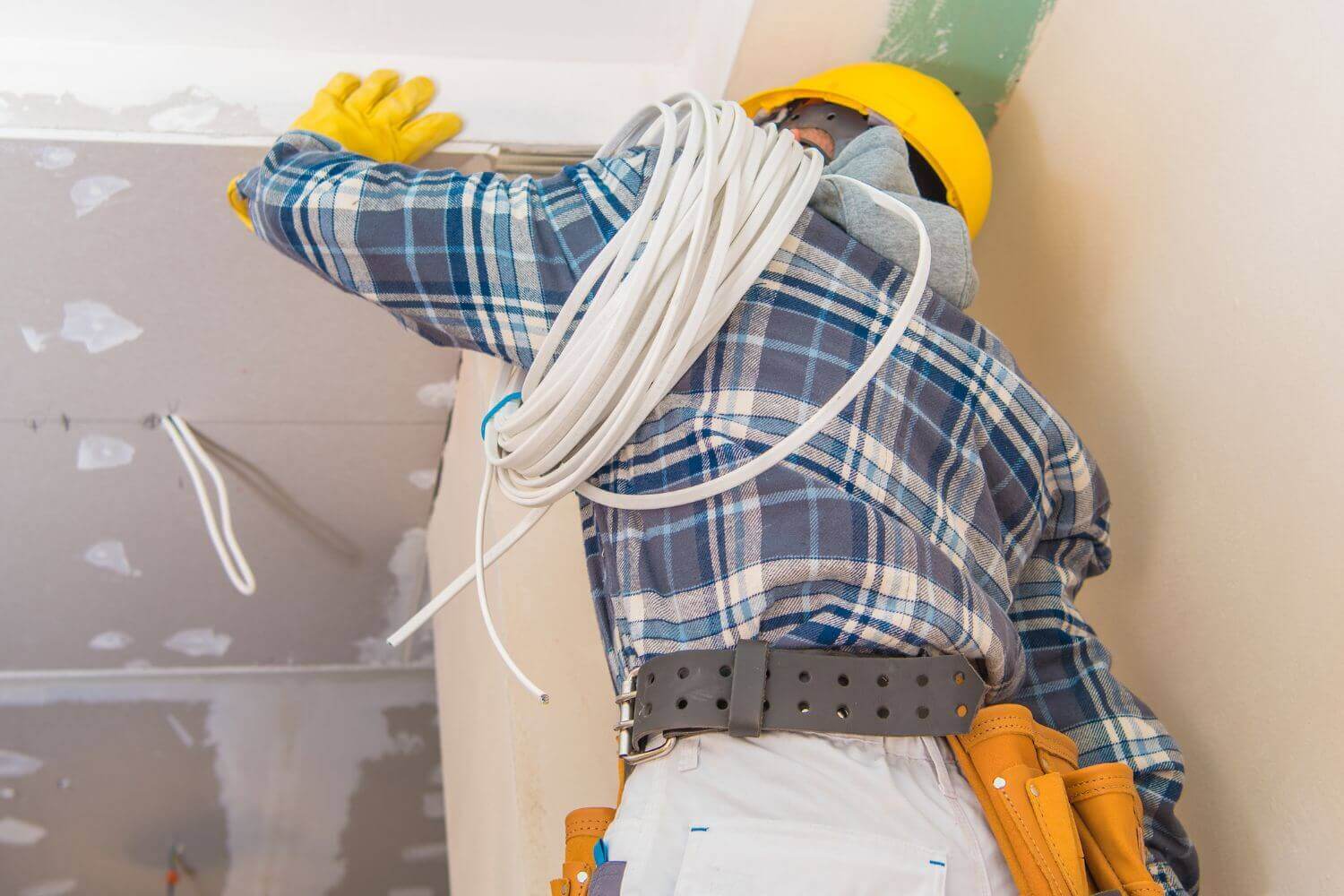
Who needs trades insurance?
If you work in the trades, chances are you’ve already heard people chatting about tradesman insurance, but have been left…
If you’re a tradesman running your own business, you might assume employers’ liability insurance only applies to corporate companies. But…
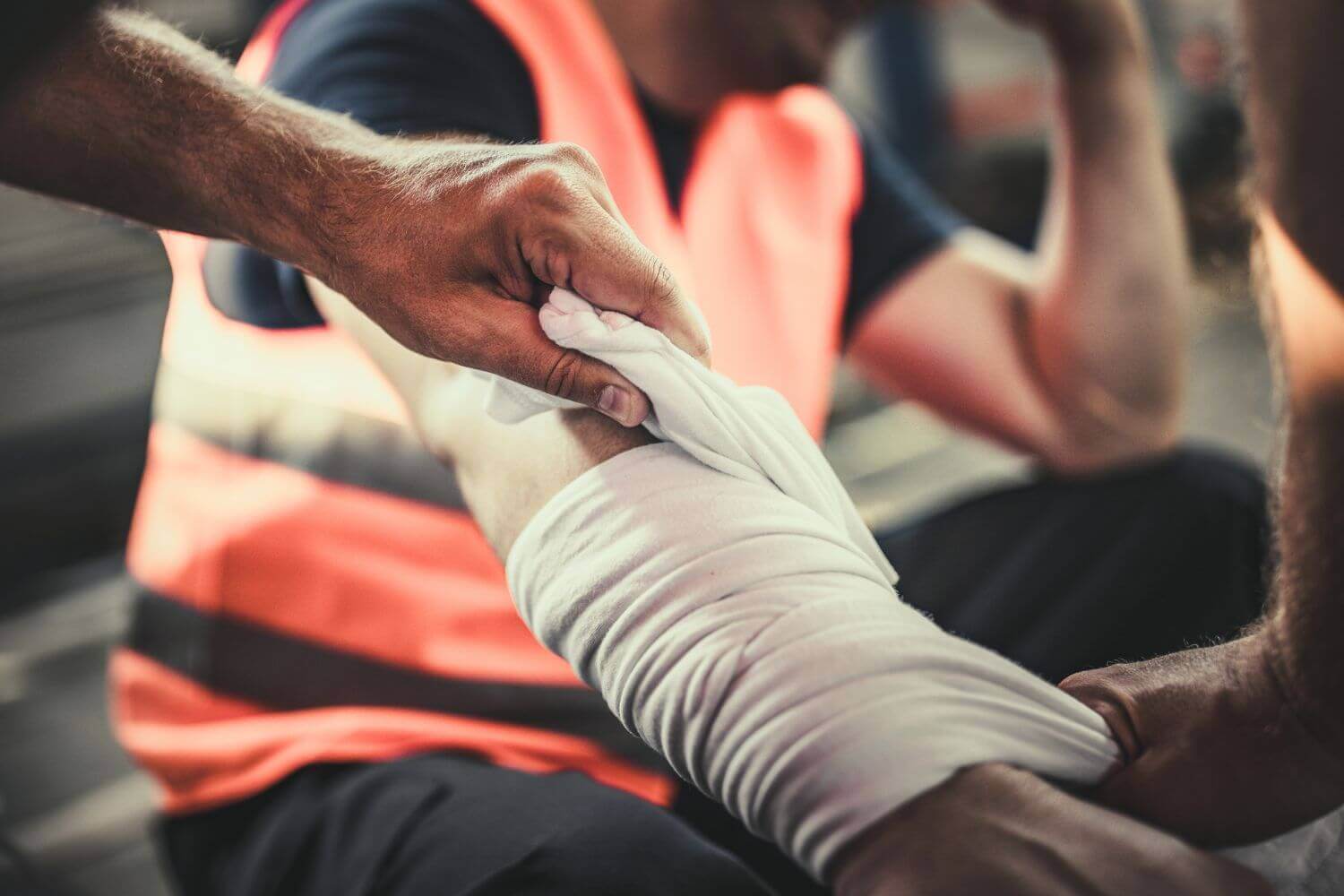
If you’re a tradesman running your own business, you might assume employers’ liability insurance only applies to corporate companies. But in reality, even a small trade business can be legally required to have it.
The question you need to ask yourself is simple: do you ever have anyone working for you?
If the answer is yes (even occasionally) there’s a strong chance you need employers’ liability cover.
In this guide, we break down what it is, when you might need it and the requirements that need to be met.
*Disclaimer – this a general guide to employers’ liability insurance for tradespeople. Always check your policy schedule and documents for exact coverage details.
Employers’ liability insurance (EL) can cover claims made by employees who are injured or become ill because of their work for you.
For tradespeople, this could cover legal fees and compensation costs for incidents like:
The long and short of it: if someone you hire gets injured while working for you and holds you responsible, this is the insurance that can cover the costs instead of it coming out of your own pocket.
As a tradie, you might assume you don’t need it. But even if you only hire one person, you could be required to have it.
A general rule of thumb – if you hire anyone that’s under your direction or control, you’ll likely need to be covered.
That could include:
To put that into a bit of context, a few examples of employers’ liability claims for trades could be:
Find out how much your insurance could cost
In most cases, if you hire anyone, the answer is yes.
As an employer, you’re responsible for the safety of anyone you employ while they’re at work. This also extends to being responsible for making sure you can cover the costs if a staff member gets injured or becomes ill due to their work for you – that’s why employers’ liability cover is needed.
By law, if you legally need employers’ liability, you need to meet these requirements:
Some businesses may be exempt, such as sole traders who work alone or certain family businesses that only employ close relatives. The rules can depend on business structure, so it’s worth checking before assuming an exemption applies.
We go into requirements and exemptions in more detail in our full guide to employers’ liability.
The good news is you’ll often find it available with most tradesmen insurance packages (like ours), so it’s all bundled together – it won’t be another policy to juggle.
You can find a breakdown of other cover types in our full tradesmen insurance guide.
When you’re off grafting hard, the last thing you need is yet another insurance policy to add to your admin list. That’s why we keep things simple!
With our combined Trades Insurance policy, you can get your Employers’ Liability alongside other core covers like Goods and Tools insurance and Public Liability.
Plus, you can get other perks like:
Have a question? You can contact us and speak to our in-house experts who can help you get the right policy for your trade.
If you’re not exempt and don’t hold valid employers’ liability (EL) cover, you could face a £2.5k fine for every day you don’t hold proper insurance.
You could also face a £1k fine if you don’t show your certificate to inspectors when asked.
You may need to hold insurance for subcontractors if they’re labour-only. A labour-only subcontractor who is under your direction and control could be seen as employee for employment law purposes and therefore count as an employee for employers’ liability.
Bona fide subcontractors are often considered a business in their own right and won’t count as an “employee” for insurance. Find out more about do subcontractors need their own insurance.
It’s important to remember a person can be seen as an employee for employment law but have a different status for tax. You should always determine a worker’s status under each law separately.
Employers’ liability costs can vary wildly depending on the size of your business and how you operate. As a rough guide, employers’ liability could start from around £25 per employee per year for a super low-risk profession. Although this could jump massively into triple figures (or more) per employee for higher risk professions.
It can be affected by factors like:
In many cases, employers’ liability insurance is bundled with other policies like public liability insurance, which can also influence the overall premium.
These two are often confused, but they cover very different risks.
| Insurance type | Who it covers | Legal requirement |
|---|---|---|
| Employers liability | Injury or illness of workers | ☑ Yes (if you employ anyone, unless exempt) |
| Public liability | Injury to third parties or third-party property damage | ⮽ No (but strongly recommended) |
Most sole traders work on their own and won’t need employers’ liability. But, if you take on any staff at any point, even if it’s part-time labourers or a paid apprentice, you’ll likely need to be insured.
Yes. Under UK health and safety law, work experience students are treated as employees for the duration of their placement, whether paid or unpaid. If they are working under your direction on site, employers’ liability applies in the same way it would for any other worker.
Your existing policy may already include students automatically, but you should always check with your insurer and inform them of the work experience before placement starts. If you don’t currently hold EL, you may need to arrange cover for the duration of the placement.
CIS determines how subcontractors are taxed, not whether someone counts as your employee for insurance. A worker registered as self-employed under CIS can still be treated as labour-only for employers’ liability purposes if you’re directing their work, they use your tools, and they don’t carry their own insurance. If that describes the arrangement, you may need EL cover for them.
But, if the worker prices and delivers a defined package of work independently, holds their own insurance, and invoices you as a separate business, they’re more likely to be a bona fide subcontractor sitting outside your EL policy. If you’re unsure about a specific arrangement, speak to your broker before the work starts.
Yes. There’s no minimum number of days or hours before employers’ liability applies. If a casual or seasonal worker is under your direction and control, using your tools and working as part of your team, the obligation can apply even if the arrangement lasts just a single day.
The absence of a written contract or formal payroll does not change the legal position. For most tradespeople, the practical solution is to hold an annual EL policy that accounts for any casual or seasonal help you may use throughout the year.
Yes. Employers’ liability follows your employees and can cover the people who work for you whether they’re on a domestic property or a commercial site.
Yes, and this is particularly relevant in the trades. Certain conditions linked to trade work, such as noise-induced hearing loss, hand-arm vibration syndrome (HAVS), or respiratory problems from prolonged dust exposure, can take years or even decades to develop.
Most UK employers’ liability policies operate on a claims-occurring basis, so the policy in force at the time of the exposure is the one that can respond to the claim, even if that claim is made long after the person has stopped working for you. This is one of the main reasons insurers and brokers recommend keeping records of all historic EL certificates, even though there’s no longer a strict legal requirement to do so.
An employee can still make a claim even if they contributed to the accident. Where a court finds that a worker’s own actions played a part, it may reduce the compensation award to reflect their share of responsibility. This is known as contributory negligence. However, a partial reduction is not the same as no claim at all, and your employers’ liability policy would typically still respond to the adjusted award. This means that even in cases where a worker ignored safety instructions or failed to use PPE, you may still face a valid claim against your policy.