Who needs trades insurance?
If you work in the trades, chances are you’ve already heard people chatting about tradesman insurance, but have been left…
However big or small your construction project is, contract works insurance could be a lifesaver if something happens. When you’re…

However big or small your construction project is, contract works insurance could be a lifesaver if something happens.
When you’re grafting hard, the last thing you need is unexpected damage or delays eating into your time and profit. Designed specifically for builders, tradespeople, and construction businesses, contract works insurance protects the physical work taking place on site.
In this guide we’ll dive deeper into what contract works insurance is, what it can cover and who it’s for.
*Disclaimer – this is a general guide to insurance and exact coverage, conditions and exclusions may differ per policy and insurance provider.
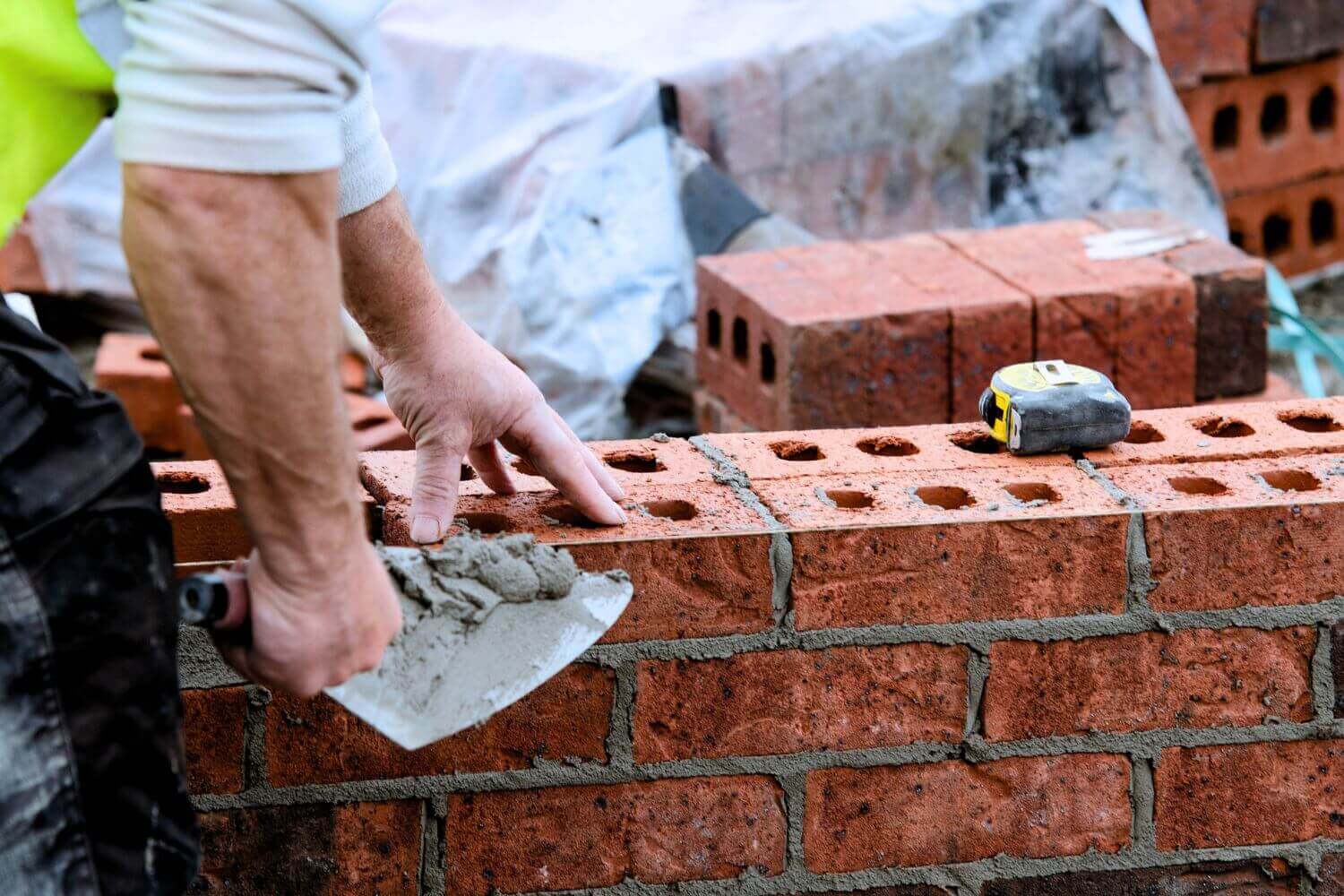
Contract works is a specialist type of insurance for builders and other tradesmen, designed to provide financial cover if your in-progress construction project is subject to accidental damage, loss or vandalism while it’s being built.
If you’re in the middle of a construction project and something (or someone) causes damage to it, contract works insurance can cover the costs to restore it to its state before the incident occurred. It can also cover project materials on-site if they’re damaged or stolen.
Contract works insurance can cover most physical projects taking place on site, including:
So, if a storm rolls in and damages an extension you’re building, or thieves steal materials from a secured renovation site, you’ve got the financial backing to get back up to speed without emptying your pockets.
Accidents happen. Maybe a wall collapses unexpectedly, a piece of machinery falls over onto your work, or materials get accidentally damaged during the build. Contract works insurance can help cover the cost of repairing or rebuilding the affected work or replacing damaged materials.
Construction is at the mercy of the weather. Heavy rain, flooding, high winds, or even fire or lightning can undo days or weeks of progress. Whether heavy rain floods a site and destroys materials, or strong winds knock a tree over onto a wall you’re building, your insurance could cover that damage, so you don’t have to start from scratch at your own expense.
Tools and materials can be easy targets, especially overnight. If someone breaks into a locked site and steals or vandalises property related to the work, your policy can help replace what’s been taken or fix what’s been damaged.
There are a few common exclusions to contract works insurance including the property it covers and the circumstances of the claim.
It will only cover new, in-progress construction projects and won’t pay out for damage to existing property.
So, if you’re building an extension and extreme flooding causes damage, your contract works insurance could cover the cost to restore the new extension work and materials, but it won’t cover damage to the rest of the house.
It won’t cover the cost of correcting poor workmanship itself e.g. if a fire is caused by faulty wiring installed by the electrician or if a poorly built wall falls over and damages another part of the project. But, resulting damage caused by an insured event may be covered, depending on the policy i.e. it could cover the cost to repair damage caused by the fallen wall, but not to rebuild the wall itself.
Contract works insurance won’t cover theft or vandalism claims where the site wasn’t secured. For example, if the work site isn’t locked up properly and vandals get in, it won’t cover the damage they cause or the materials they steal.
If your work involves any kind of building, installing or modifying of structures on-site, a contract works policy could be a financial safety net if something goes wrong mid-project. It can be suitable for all sorts of trades, including:
Basically, if you’re building, installing, fixing, or putting something together on site, it’s worth having this kind of cover in your toolkit.
In simple terms, contract works insurance is a single type of cover that protects the job itself, while contractors’ all risks insurance bundles multiple covers into one package policy.
| Contract works cover | Contractors’ all risk insurance | |
|---|---|---|
| Policy type | Single policy | Package policy |
| Coverage | Specifically covers costs relating to repairing/restoring in-progress projects after damage, or replacing destroyed or stolen materials | Offers a combination of coverage that can vary per provider. Can include various covers like public liability, tools insurance, contract works and plant equipment cover |
| Who it’s for | Tradespeople working on physical on-site construction projects at risk of damage from extreme weather, vandals or on-site equipment | Most tradies looking for a flexible policy that can cover many of the risks they face day-to-day |
| Availability | Normally offered as part of or an add-on to a combined trades insurance package policy | Typically available as a combined trades insurance policy that includes standard cover like public liability, employers’ liability and tools cover. Often available with optional add-ons for flexible cover, like contract works, professional indemnity and plant cover |
Note: The term “contractors’ all risk insurance” varies in usage across providers, so when shopping around, make sure to check exactly what each insurer includes in their coverage.
Now that you’ve got a handle on what contract works insurance actually covers, the next step is figuring out how to choose the right trades insurance for your business.
A good way to start is by working out which types of protection you genuinely need. Once you know that, it’s much easier to compare different insurers and see which policies match up with your must haves.
A few tips:
Need a hand understanding trades insurance policies? Check out our handy guide to what trades insurance can cover.
At Kingsbridge, we offer a flexible combined Trades Insurance policy that you can tailor with our Contract Works add-on.
That means you can get standard cover like Public Liability, Goods & Tools cover and Employers’ Liability (where required) plus the extra cover you need all under one handy package policy.
Our cover also offers perks like:
Get in touch to get quote today or speak to our in-house experts to find the right level of cover for your trade.
If you work on construction sites, contract works cover can protect you financially if your project is damaged or destroyed mid-build. You could get support to cover the costs to repair the work and reduce delays and financial losses.
Not usually. Contract works insurance focuses on the work itself, not your tools. If you want protection for hand tools, power tools or plant equipment, you’ll normally need separate tools insurance or plant cover. Many insurers offer these as optional add‑ons to a trades package.
The amount of cover you need usually depends on the highest-value project you take on. Your limit should be enough to cover the most expensive job you’re working on or likely to work on. If your project values vary, choose a limit that reflects the average biggest value project you work on. If you’re not sure, speak to your insurer and they should be able to help.
It can, but it depends on your policy and the type of subcontractor. Bona fide subcontractors normally work under their own direction and should provide their own insurance, so they likely won’t be included. Labour-only subcontractors (who work under your direction) might be covered. Always check your policy wording to see who is and isn’t covered. If you’re not sure, check with your insurer.
No, it’s not legally required in the UK. However, many clients, principal contractors or local authorities may ask you to hold it before you can start a project. It’s also strongly recommended if you work on jobs where damage could mean expensive rework or costly delays.
Public liability insurance covers third-party injury or property damage you cause while carrying out your work. Whereas contract works insurance covers accidental damage to the physical project you’re working on caused by events like fire, vandalism or flooding. They can protect different risks, which is why many tradespeople choose to have both.
Cover should typically begin when materials are delivered to site or work starts, depending on the policy. Always check your policy wording for exact start points or ask your insurer if you’re not sure.