Do tradespeople need public liability insurance?
As a tradesperson you’ll know that no two jobs are the same – whether fitting a kitchen, plumbing a bathroom…
If you’re in the trades, you already know the job isn’t without its risks. But did you know those risks…
If you’re in the trades, you already know the job isn’t without its risks. But did you know those risks can have a big impact on your insurance? Getting your head around who’s considered high risk for insurance is the first step to understanding trades insurance policies and even your trades insurance costs.
Things like working at heights, hot works (working with heat), or handling hazardous materials don’t just make the job more dangerous – they can also push your premiums up.
The good news? Understanding what insurers look for can help you find the right trades insurance cover. Let’s break down the main high-risk factors and what to keep in mind when finding a policy.
*Disclaimer – this is a general guide to trades insurance and risks. Always read your policy wording/schedule and check with your insurance provider for more accurate information on coverage, conditions and exclusions.
It’s not a hidden fact that tradesmen face some of the highest risks day-to-day. Lots of manual labour, working with specialist materials and using power tools and large machinery increases the chances of injury, illness or property damage.
Trades considered high risk for insurance are the ones that face the strongest danger of injury or accidents. These can include lines of work like scaffolders, roofers and welders.
It comes down to a few main high-risk factors that can make a trade be seen as ‘high risk’. We’ve broken these down to 5 high-risk categories…
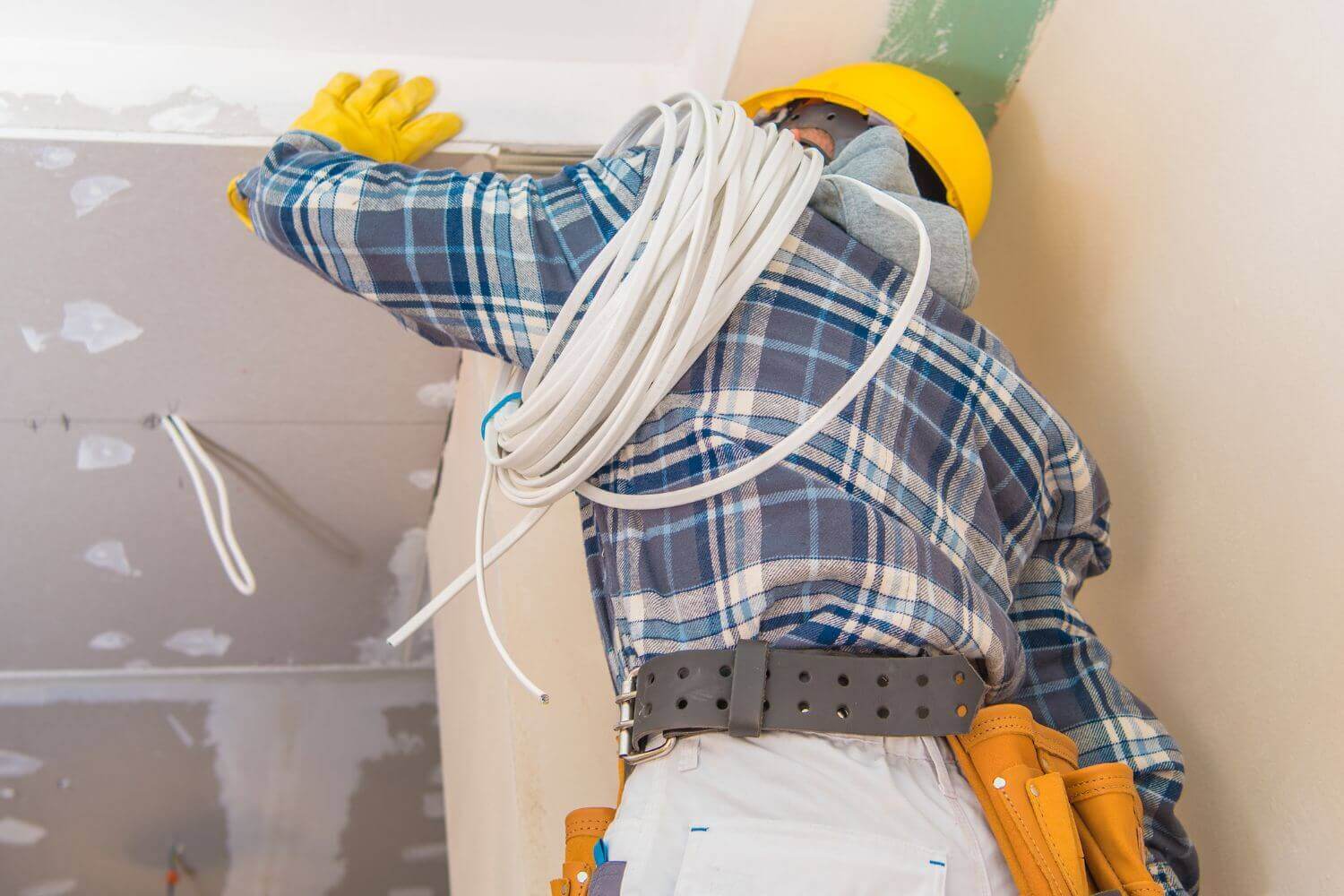
One of the most common causes of accidents on a construction site is falling from a height. Working up ladders, on scaffolding or on roofs carries an increased chance of serious injury from a fall.
Heights also open the door to falling materials which can cause huge damage on their own – to passersby as well as property – increasing the potential risk of liabilities.
Many trades insurance providers will include a screening question to ask if you work at heights over a certain threshold (e.g. 5 metres) to assess the risk level of your work. They’ll also often apply a height limit within the policy, or require additional safety measures if you work above that threshold.
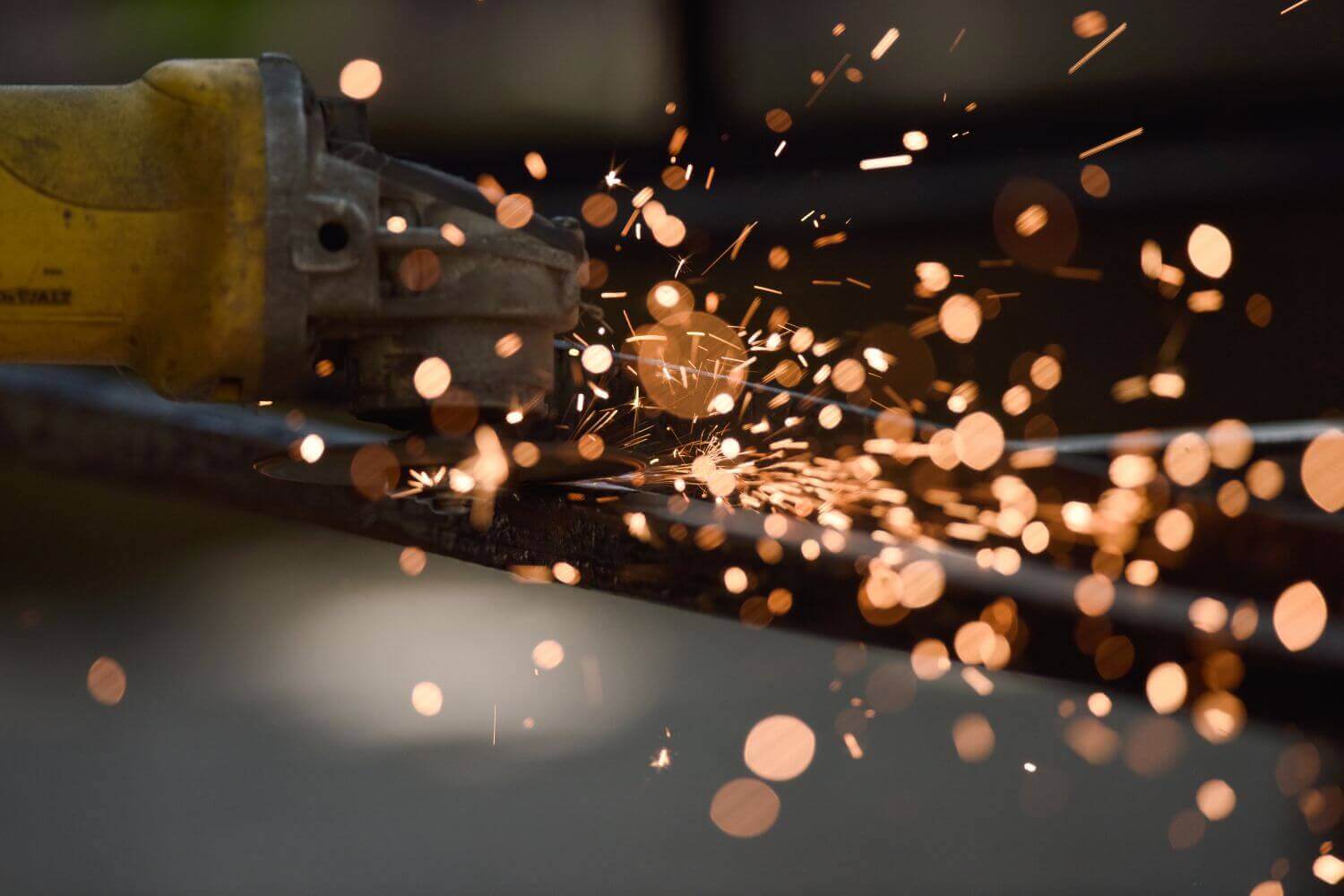
Working with heat not only puts you in danger but also others around you and any property you’re working on.
Sometimes referred to as ‘hot works’, working with heat can include any activity that involve open flames, heating tools or anything that might produce sparks. Think blow torches, welding equipment, grinding tools, hot air gun/stripper or asphalt heater.
The risk comes the extra exposure to situations where there might be an increased risk of third-party property damage or injury. Many insurers will require formal hot-work permits to be in place when carrying out these types of activities – something to keep in mind.
The type of site you work on can also bring its own threats. “Hazardous locations” can include:
Many insurers will have conditions that need to be met to cover specific working locations, or they will exclude them from cover unless otherwise agreed.
Some of these locations are routinely excluded under standard liability policies (e.g. work on railways or power stations) unless specifically agreed with the insurer.
Always check your policy wording or speak with your insurer if you have particular types of work you need to insure and aren’t sure if your policy will cover you.
Work involving asbestos, chemicals, or unhygienic environments increases health and liability risks and can be a common exclusion in tradesman insurance policies.
In particular, the highest risks involve:
It’s worth noting that nuclear risks (e.g. nuclear fuel, waste or sites) aren’t on this list as they’re excluded from most policies due to statutory requirements, not just high risk.
Finding the best trades insurance cover for your business largely comes down to the risks you face day-to-day.
By understanding your high-risk factors, you can:
Insurers may also assess factors like your claims history, subcontractor arrangements, turnover, and whether high-risk activities form a small part or majority of your work.
The good news is these high-risk factors don’t mean you can’t get insurance. Many tradesman insurance providers can cover some of these risks but will have conditions to follow in relation to safety measures that must be in place.
If any of these risks apply to you, it’s important to be transparent about your circumstances and check they can cover you before taking out a policy. Even if the risks above don’t apply to you, but you think you might be considered high risk for insurance for other reasons, speak to your insurer.
And if you anticipate taking on higher-risk work in the future, you must also tell your insurer about this before taking on the work.
Not being transparent about your circumstances or checking what you’re covered for could result in a claim being denied if something happens.
At Kingsbridge, we offer our own combined Trades Insurance policy, including Public Liability, Goods & Tools cover and Employers’ Liability (where required).
Our cover also offers perks like:
If you fall into any of the high-risk categories above, you can contact us and speak to our in-house experts who can talk you through what cover might be available. They’re only a phone call away on 01242 312 604.
Insurers look at how likely it is that someone could be injured, property could be damaged, or a claim might arise from the work being done. Factors like working at height, using heat tools, handling hazardous materials, or operating on dangerous sites increase that likelihood. These activities often require stricter safety measures and may carry higher premiums or special policy conditions.
They may also look at frequency and severity of potential claims.
Yes. Many insurers, including Kingsbridge, regularly cover trades that involve elevated risk — such as roofers, scaffolders and demolition contractors. It’s likely they’ll ask more detailed questions about your working methods and may apply conditions (for example, height limits or hot-work permits). Being open about the nature of your work helps ensure the cover arranged is valid if you ever need to claim.
The greater the exposure to hazards, the higher the potential for claims, so premiums generally reflect that risk. Underwriters consider your trade type, claims history, safety record, and whether you hold recognised accreditations. Businesses with good safety practices and low claims experience often benefit from more favourable terms.
Keeping thorough health and safety documentation, conducting regular training, and ensuring subcontractors have their own valid insurance can all make a difference. Demonstrating structured risk management shows insurers you operate safely and can help reduce premiums over time – like through method statements or ISO 45001 accreditation.
Yes. Some policies include things like height limits, depth limits, heat-use clauses, hazardous-location exclusions, or asbestos exclusions. If you undertake these types of work, it’s important to confirm whether your policy covers them or if you need a specialist extension. Always review your policy wording carefully or speak with your provider to make sure you’re fully covered.
Not declaring activities like hot works, asbestos handling, or working above set height limits could lead to a claim being declined. Being transparent from the outset allows insurers to tailor your cover accurately, protecting you if something goes wrong.
Under the Insurance Act 2015, failing to make a fair presentation of the risk can result in reduced claims payments or policy avoidance.
Kingsbridge offers a combined Trades Insurance package that can include Public Liability, Employers’ Liability (where required), Goods & Tools cover, and optional add-ons like Hired or Owned Plant, Contract Works, and Professional Indemnity. You can easily chat to one of our experts – they can advise on availability of cover for higher-risk activities and any safety requirements that might apply.
If you’re not certain, it’s best to speak directly with your insurance provider. They can review the type of work you do, the conditions on site, and recommend appropriate cover. Kingsbridge’s in-house experts are available by phone or online to discuss individual circumstances before you take out or renew a policy.
Being clear about the type of work you do ensures your policy reflects your actual risks. It protects you from potential disputes if a claim is made and helps your insurer provide the fairest terms possible. Lack of disclosure can sometimes invalidate cover entirely.
If your work involves any of the higher-risk factors listed (heights, heat, demolition, or hazardous environments), our team can help you explore suitable cover options and any safety conditions to meet. You can get in touch on 01242 312 604 or request a quote online for a tailored policy.