A Guide To Record-Keeping And Expenses For Self-Employed Sole Traders
Whether you’re new or not to self-employment, record-keeping might sound like hard work. And while that may be true, it does come with…
If you’re required to file a Self Assessment tax return for the 2024/25 tax year, the deadline to submit it…
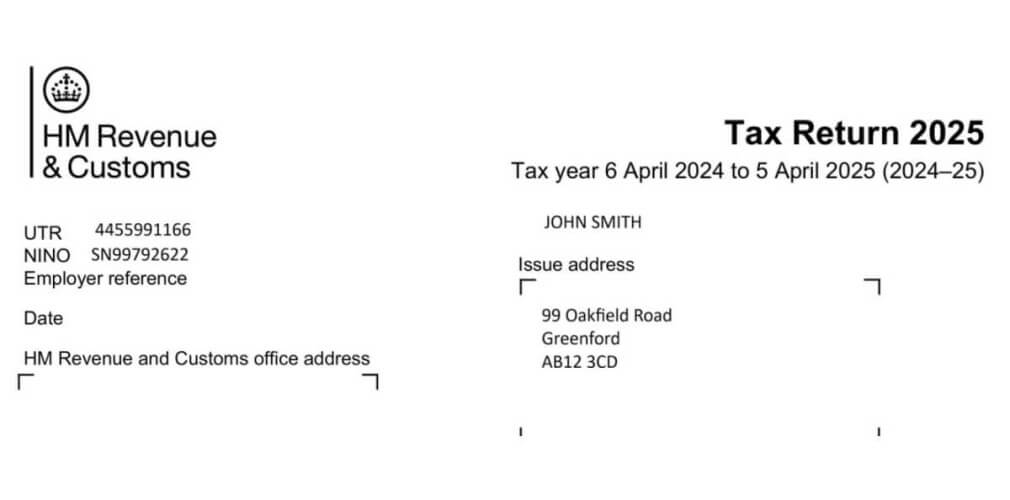
If you’re required to file a Self Assessment tax return for the 2024/25 tax year, the deadline to submit it online is 11:59pm on 31 January 2026.
If you’ve already filed, that’s one less thing to worry about. If you haven’t, there’s still time – but it’s worth acting soon to avoid penalties or late payment interest.
For reference, these are the standard Self Assessment dates set by HMRC each year:
For the 2024/25 tax year, the online filing deadline is 31st January 2026. For the following year, it will be 31st January 2027.
HMRC may apply penalties, even if no tax is due. These could include:
You may wish to check the most up-to-date penalty and interest rules on HMRC’s website.
If you can’t pay your tax bill in full, HMRC may offer a Time to Pay arrangement, allowing you to pay in instalments depending on your situation. It’s worth contacting them as early as possible to explore your options.
HMRC may waive or reduce penalties if you have a reasonable excuse. These may include:
Returns should usually be filed as soon as possible, with any supporting evidence provided.
If 2024/25 is your first year needing to file, you would typically need to register with HMRC by 5th October 2025. Missing this deadline may result in a ‘failure to notify’ penalty if tax is due and not paid on time.
If you’re not sure whether you need to submit a return, HMRC’s check tool may help.
If you’ll need to file a return for income earned between 6th April 2025 and 5th April 2026, you could begin preparing from 6th April 2026. Filing early may help you:
The online deadline for that tax year will be 31st January 2027.
If your income exceeds £100,000, you may start to lose your personal allowance, resulting in an effective 60% tax rate on part of your income. This is sometimes called the ‘60% tax trap’.
It could be helpful to speak with a tax adviser about ways to reduce your adjusted net income – like through pension contributions or Gift Aid donations.
HMRC’s Making Tax Digital programme for Income Tax won’t apply to most Self Assessment taxpayers until April 2026 at the earliest. However, if you’re already using MTD-compatible software or run a VAT-registered business, you may already be familiar with it.
Keep an eye on HMRC updates to stay informed about when these rules could apply to you.
While your insurance cover doesn’t affect your tax return directly, many contractors, freelancers, and small business owners use the new year as an opportunity to review their business protection – whether that’s renewing contracts, switching from umbrella to limited, or preparing for new client engagements.
Kingsbridge offers a full Contractor Insurance package, including:
Reviewing your policy can help make sure your cover still aligns with how you’re working.
Disclaimer: This article is for general information only. Kingsbridge does not offer tax advice. You may wish to consult a qualified accountant or tax adviser for guidance specific to your circumstances.